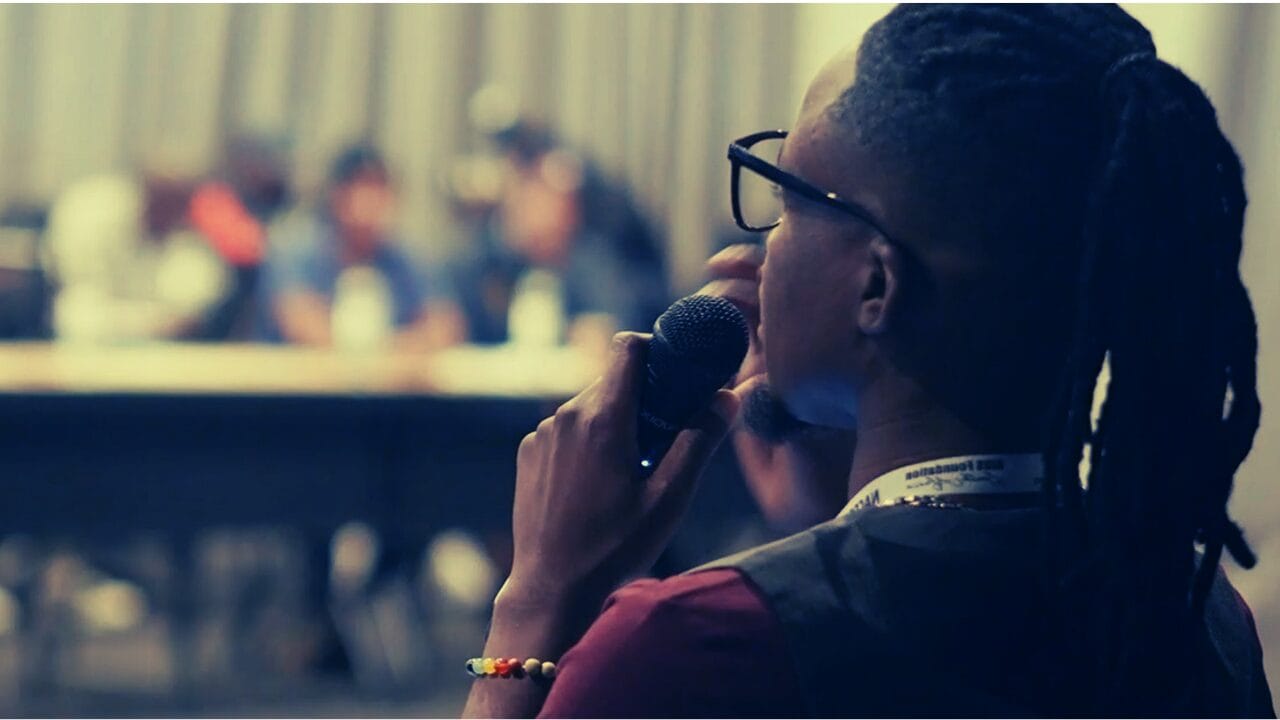
NACOSA will host the Amaqhawekazi Harm Reduction Summit 2026 in Gauteng from 26-27 August, under the theme “From Grassroots to Policy: The Journey of Harm Reduction in South Africa.” The summit will bring together government, civil society, community-led organisations and representatives of affected communities to discuss the future of harm reduction services in South Africa.
The summit comes at a time when people who use drugs, particularly women, continue to experience stigma, discrimination, violence and barriers to accessing health and social services. Women who use drugs can face additional challenges linked to gender inequality, including increased vulnerability to gender-based violence and limited access to safe, confidential and non-judgemental services. HIV prevalence among women who inject drugs and sex workers is estimated to be several times higher than among women in the general population. This reflects the ongoing impact of violence, economic vulnerability and barriers to consistent HIV prevention and treatment services.
The summit will provide a platform to discuss how harm reduction services can better respond to the needs of women who use drugs and other vulnerable populations, including men who have sex with men, transgender people, people in prisons, young people and people with disabilities. Harm reduction is a practical health approach that focuses on lowering the negative health, social, and legal risks associated with behaviors like substance use, without requiring a person to stop. It promotes the non-judgemental and non-coercive provision of services and resources to people who use drugs or engage in high risk activities and the communities in which they live, helping to reduce the potential harm.
“We want to listen to people who use drugs and work together to find practical ways to improve access to safe, evidence-informed and rights-based services,” says Yolaan Andrews, Deputy Grant Manager at NACOSA.
Discussions will focus on five key themes: harm reduction as a public health and human rights imperative; women, gender and harm reduction; young people and harm reduction; integrated service delivery and health systems strengthening; and policy reform, advocacy and accountability.
Participants will consider priorities for strengthening harm reduction within HIV, TB, hepatitis, mental health and other health and social services. The summit will also focus on gender responsive and youth friendly services, disability inclusion, community-led monitoring, policy and legal barriers, and opportunities to strengthen community participation in decision making.
A key outcome of the summit will be the Amaqhawekazi Harm Reduction Summit Communiqué 2026. The stakeholder-driven communiqué will present shared priorities, commitments and recommendations for strengthening and scaling up comprehensive harm reduction services in South Africa. It will also provide a coordinated roadmap for the grassroots action and will highlight opportunities for collaboration between government, civil society, communities and development partners.
“We know that real change requires more than good policy. It also requires services that respond to the realities people face in their everyday lives. This summit is an opportunity to look at what is working, where the gaps remain and what we can do differently to strengthen harm reduction in South Africa.” Says Yolaan Andrews