By Tintswalo Home Based Care
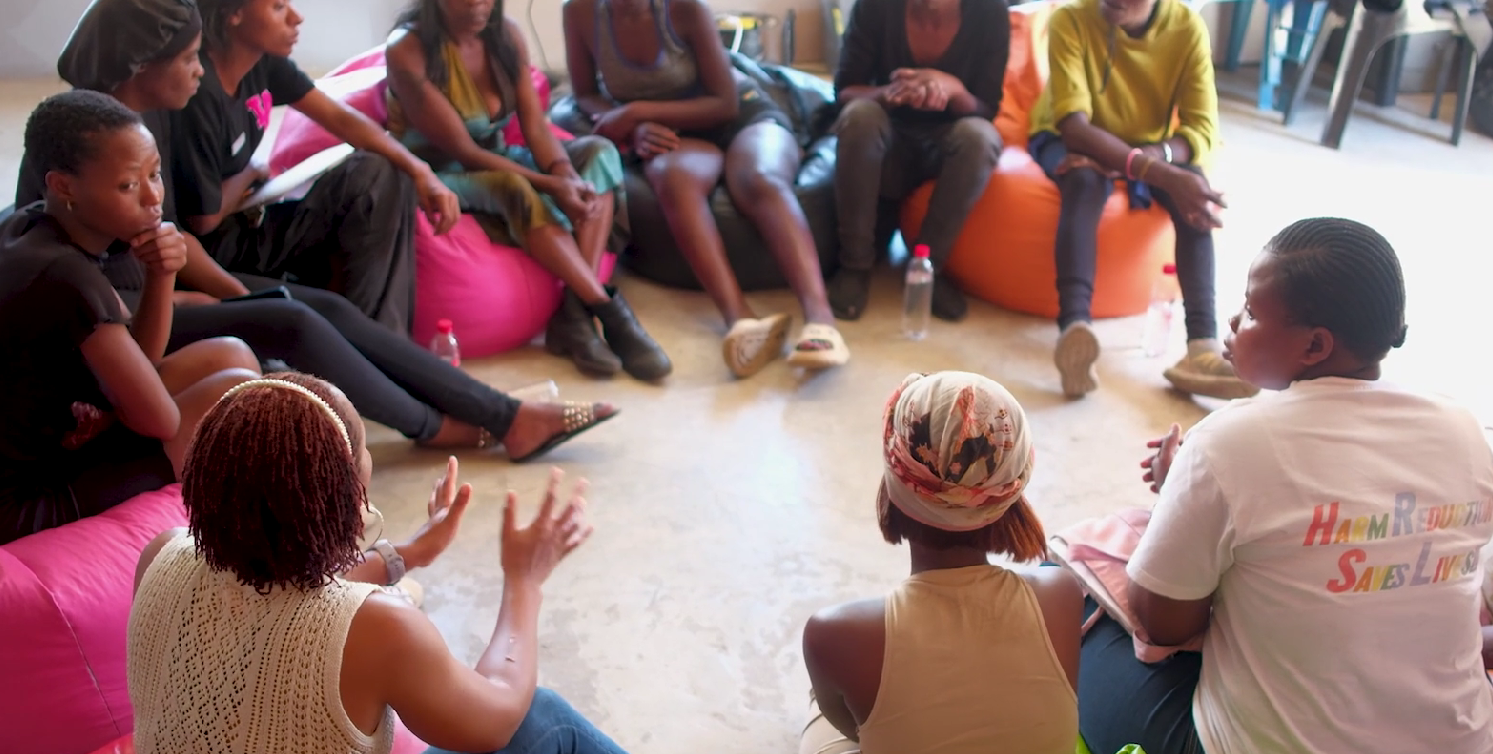
Mpho from Phomolong had been using injectable drugs for years. She avoided clinics because of past experiences where staff judged her harshly and refused care. When the Tintswalo Home Based Care outreach team met her, she was withdrawn and fearful of testing. They spent weeks building rapport, visiting her at home, listening without judgement, and inviting her to women’s circles. Over time, she joined weekly aerobics sessions which helped her regain energy and routine. A turning point came when a peer navigator accompanied her to the clinic. Because staff had been sensitised, the reception was different. Mpho tested positive for HIV and was linked immediately to antiretroviral treatment. With support from peers, she adhered to treatment and began sharing her story in dialogues. Her openness inspired others, and she became a visible example of resilience in the Phomolong community.
Women who use drugs like Mpho are doubly marginalised: they face health risks from substance use and social exclusion from stigma. Tintswalo Home Based Care, founded by Elisa Ngomane, has been a pillar of support for the Tembisa community for many years. Tintswalo implemented NACOSA’s Amaqhawekazi Programme, funded by a ViiV Healthcare Positive Action Grant. Focusing on women who use or inject drugs, the programme aims not only to reduce harm and improve access to health services for this vulnerable group, but also to restore dignity, rebuild family relationships, and create opportunities for social and economic participation.
Before the programme, many women reported being turned away at clinics or treated with disrespect. Families often felt ashamed and distanced themselves, while police responses were more punitive than protective. These conditions made it difficult for women to access even the most basic primary health care.
Recognising these barriers, the Amaqhawekazi programme combined peer-led health education and counselling with community sensitisation, partnerships with local structures like the Community Police Forum and activities that built social capital. The programme’s approach was grounded in respect, confidentiality, and the belief that women who use drugs are community members with strengths, not just problems to be managed.
The programme’s activities aim to address both immediate health needs and deeper social drivers of exclusion. Sensitisation sessions and community dialogues were held in clinics and public spaces to raise awareness, while outreach teams conducted door‑to‑door visits and hosted small group meetings where women could speak privately with peer educators. Soccer, netball, aerobics, dance and art workshops provided safe, non‑judgemental spaces where women could reconnect with their bodies, build confidence, and form supportive peer networks. These activities also served as bridges to the wider community: parents, youth groups, and local volunteers were invited to join, which helped normalise participation and reduce stigma.
In Benoni, Rendi’s life was unstable, and she lost contact with her family. She attended a community sports day out of curiosity and joined a netball team. The structure and trust gave her a reason to show up regularly. Encouragement from coaches and volunteers boosted her self‑esteem. She reduced drug use and sought counselling for trauma. Her family noticed the change and began attending outreach events. The presence of parents at sports activities rebuilt trust and opened communication. Rendi’s story shows how sports and mentorship can catalyse health seeking behaviour and family reconciliation.
Similarly, Joice from City Planning was reluctant to discuss her history and relationship with drugs until she attended a community dialogue. In that safe space, she shared how hardship and lack of support contributed to her drug use. Her honesty resonated with others and reduced her isolation. She later joined art workshops where she discovered her talent. Selling some pieces gave her income and confidence. She became a peer educator, helping facilitate discussions about prevention and recovery.
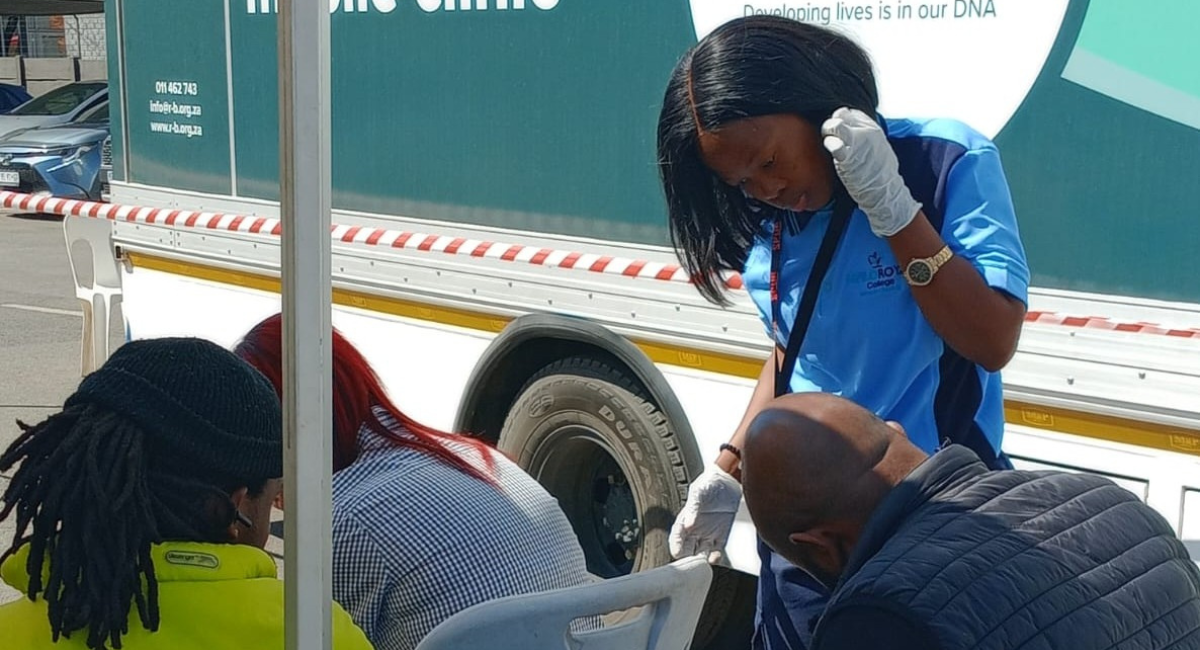
Tintswalo outreach workers went with clients to clinics when needed, provided information about HIV and STI services, and offered on‑site HIV testing during community events. Peer navigators — women from the community trained to support others — played a crucial role in re‑linking antiretroviral defaulters to care and helping clients navigate clinic procedures. Regular meetings with police and the Community Policing Forum helped shift attitudes among law enforcement and community leaders, encouraging protective rather than punitive responses. Engagement with clinic managers and nurses reduced discriminatory practices and streamlined referral processes.
In Umthembeka, Mirah evolved from programme participant to community connector. She had a strong network of friends and relatives and volunteered to help outreach workers find women in need. Her local knowledge was invaluable. By helping others access referrals, she felt renewed purpose and became a trusted peer navigator. Her presence at clinics reduced anxiety for many women, and nurses recognised her as a reliable liaison. Mirah’s story highlights the power of peer leadership.
The Amaqhawekazi programme shows that community‑led, compassionate interventions can change lives. By combining health services, counselling, sports, arts, and partnerships, the programme reduced stigma, increased access to care, and helped women rebuild their lives. With continued support from NACOSA and stronger local partnerships, this model can be sustained and shared with other communities.
Names were changed to protect privacy.