By Tshepo Ya Bana
Qhawekazi (not her real name), grew up in Krugersdorp West with a reputation for brilliance and resilience. Born with what she describes as “untouchable, unshakeable gifts,” she excelled academically and carried dreams far larger than her circumstances. Her ambition led her to study medicine at Medunsa, a milestone that promised a new future for her and her family.
But beneath her achievements lay emotional wounds she had never been taught to navigate. When personal instability struck, she found herself overwhelmed by trauma, pressure, and isolation. Without supportive coping mechanisms, she turned to substances initially to quiet the pain. What began as experimentation soon escalated into dependency.
Her life spiralled quickly. She dropped out of university, became homeless, and entered environments where violence, exploitation, and stigma were constant companions. Like many women who use drugs, she avoided health and social services out of fear of judgment.
To survive, she turned to stripping, first to support herself, later to raise her daughter. The emotional burden was immense. Her baby’s father denied the child. Her mother told her she wished she had died instead of her sister. Grief, resentment, and hopelessness consumed her. She began using “Cat” and crystal meth to numb the pain, shutting out reality as she worked long nights and left her daughter in a 24‑hour daycare. Her substance use deepened, and her mental health deteriorated.
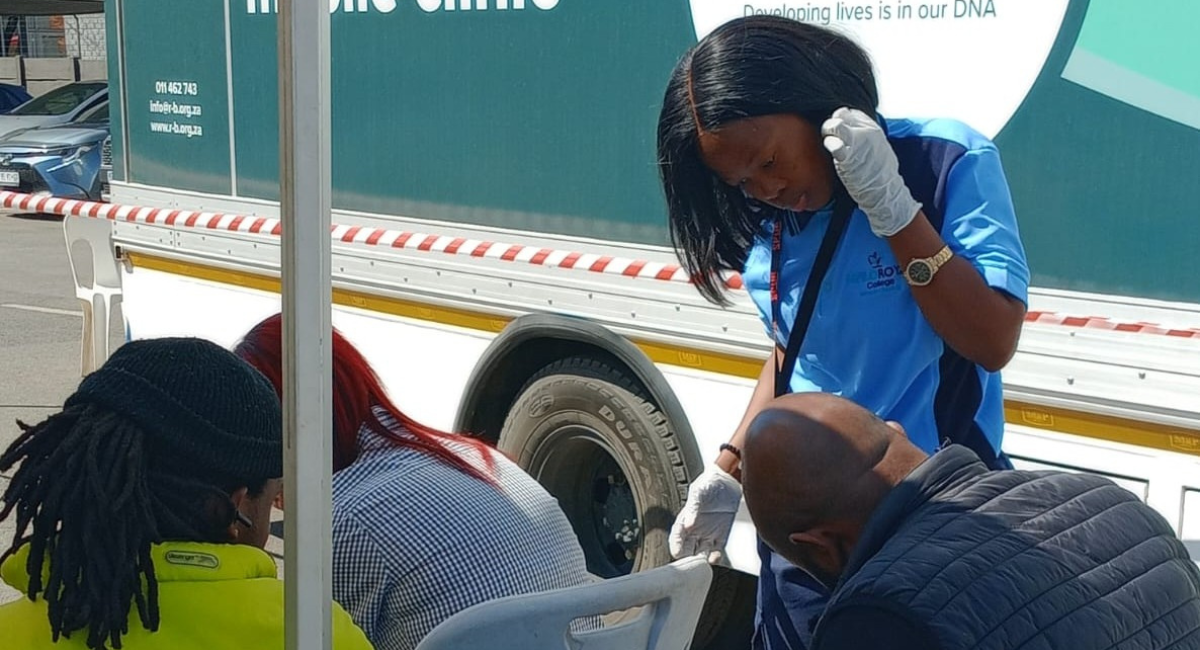
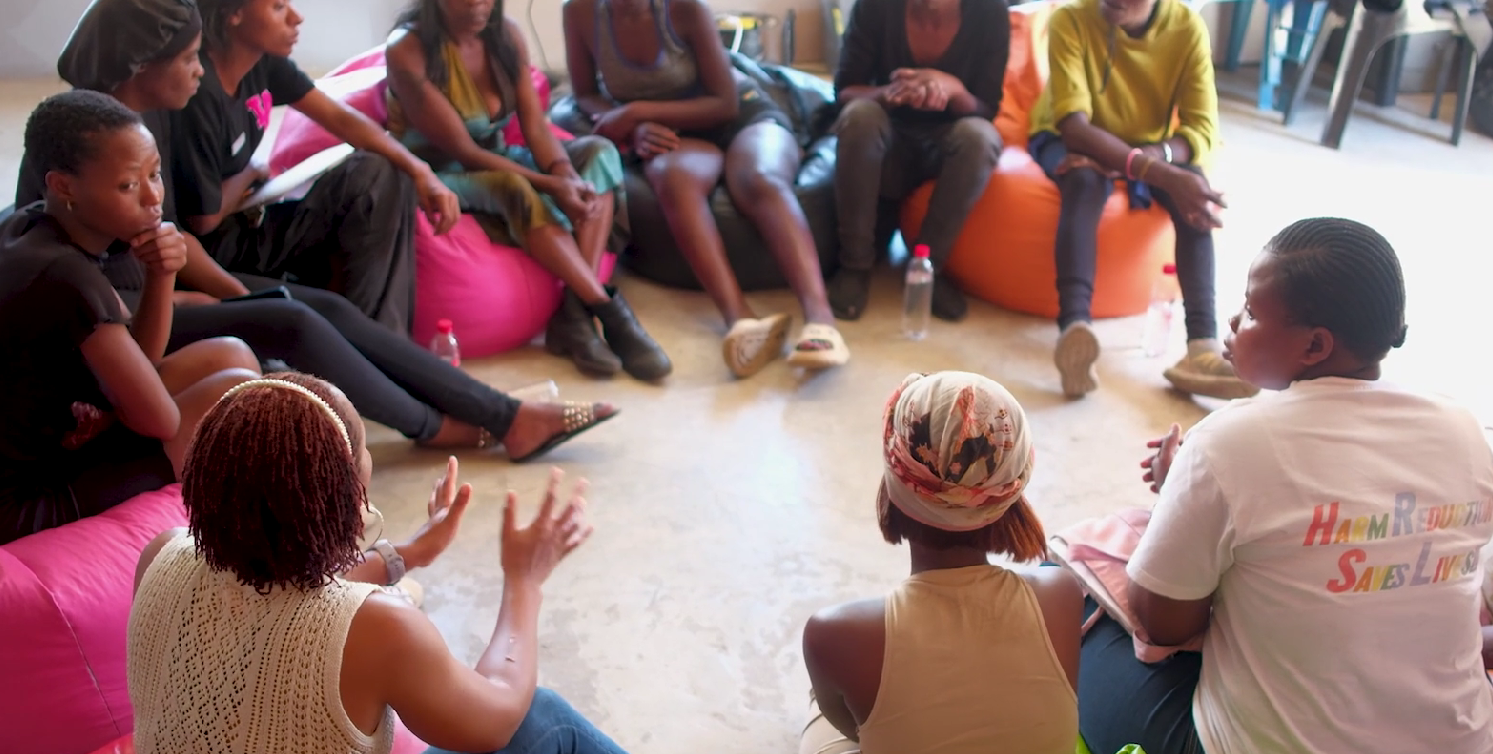
For years, she lived in survival mode but in early 2024, she encountered a harm‑reduction outreach team from Tshepo Ya Bana. Unlike the judgment she had grown used to, these peer educators offered compassion, understanding, and safety. They listened. They affirmed her humanity. They invited her into a women‑only safe space where she could breathe without fear. This moment marked the beginning of her recovery.
Through the women-centred support she received, Qhawekazi slowly rebuilt trust in herself and in the world around her. Tshepo Ya Bana implements NACOSA’s Amaqhawekazi Women Who Use Drugs Programme – funded by a ViiV Healthcare Positive Action grant – which provides peer-led outreach, individualised care and psychosocial support services to support access to services and healing.
She joined contemplation groups, attended women‑only workshops, and began addressing the trauma that had shaped her life. With consistent support, she reduced her substance use, reconnected with her daughter, and restored relationships with her family. She found her voice again.
Qhawekazi has shared her journey on Tshepo Ya Bana’s podcast The Fix Beyond The Fix and has written a book to share her story. Her journey embodies the programme’s goals of creating supportive environments, reducing human rights barriers, and strengthening advocacy for women who use drugs. Her transformation demonstrates the impact of safe spaces, peer‑led outreach, psychosocial support, and gender‑responsive harm reduction services. It shows what is possible when women are met with dignity instead of judgment and care instead of punishment.
Her transformation demonstrates the impact of safe spaces, peer‑led outreach, psychosocial support, and gender‑responsive harm reduction services. It shows what is possible when women are met with dignity instead of judgment and care instead of punishment.
Find out more about the issues facing women who use drugs in the Amaqhawekazi Harm Reduction Summit 2026 Communique.