“For the first time, I wasn’t hiding who I am. I was using my story to open doors for others. This opportunity gave me more than employment; it gave me confidence, purpose, and the chance to support and protect people who face challenges similar to my own.”
Tefo Rakaku, a young queer man from Botshabelo, lives with his two younger siblings and dreams of building a career in Human Resources. Although he has a qualification in Human Resources Management, finding a job in his field is challenging because there are limited opportunities.
Tefo loves working with people and enjoys sharing information. This helped him secure temporary employment as an assistant teacher at a local school. After that opportunity ended, he continued searching for work and, in due course, landed a job as a community mobiliser at Progressive Youth Development for the Social Employment Fund Programme.
“As a breadwinner, life is very difficult. I usually get temporary jobs that help me afford basic needs but never allow me to save money for long-term goals or investments.” He says.
Besides the challenges of finding employment, growing up queer in Botshabelo came with its own struggles. Many people were opposed to how Tefo and others in the LGBTQ+ community identified, often due to misinformation and misunderstanding. However, through education and the efforts of community organisations, many people in Botshabelo have learnt to accept members of the LGBTQIA+ community. Although some still struggle to accept, that doesn’t bother Tefo.
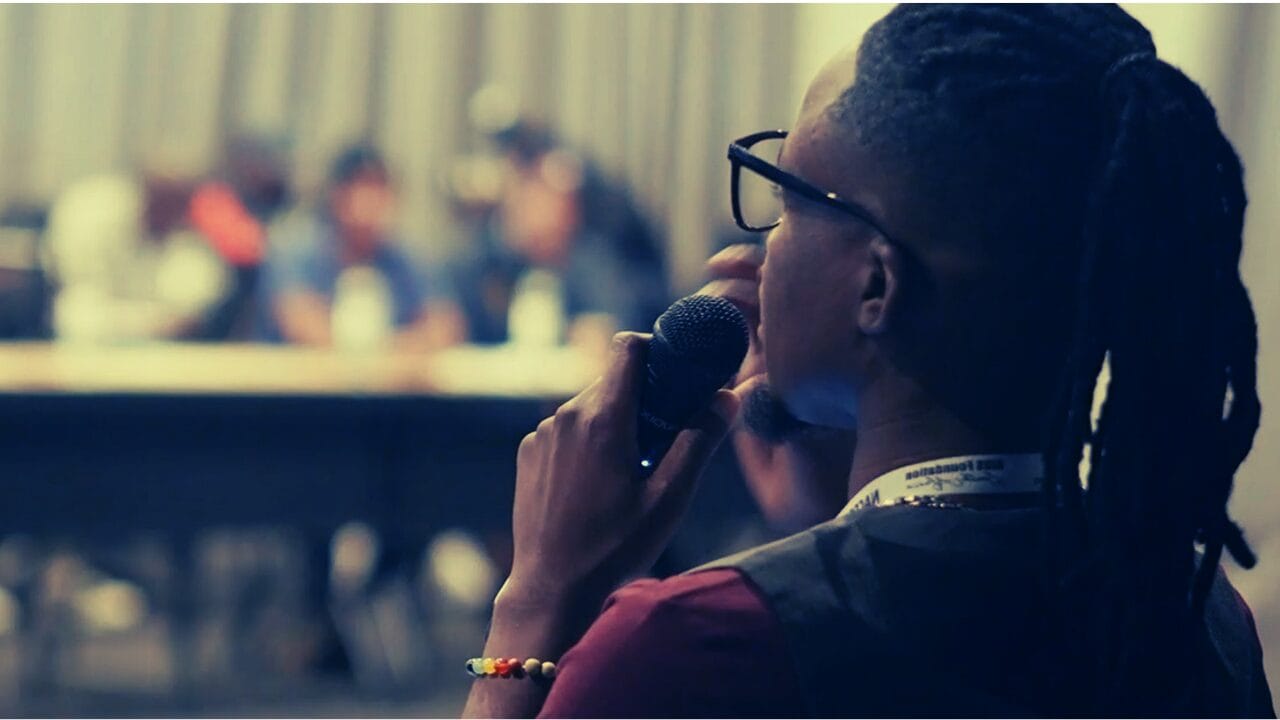
As a community mobiliser, he actively reaches out to people to raise awareness about Gender Based Violence (GBV), encourage healthy relationships, and inspire positive change. He also plays a vital role in helping survivors of GBV access the support and services they need. During one of his engagements, he met a young member of the LGBTQIA+ community who was amazed to see him speaking openly about gender-based violence. It was the young man’s first time witnessing someone from the LGBTQ+ community speak openly about GBV, as this issue is often hidden and overlooked. Members of the LGBTQIA+ community are at high risk of gender based violence. Many avoid seeking healthcare because they face judgement, rejection, mistreatment, or are not understood.
The young man expressed that hearing Tefo’s perspective made him feel seen and validated, highlighting the importance of creating spaces where diverse experiences of GBV can be acknowledged and discussed. The conversation had a profound impact on Tefo, reminding him of the importance of representation and inclusive awareness efforts. It reinforced his belief that GBV can affect anyone, regardless of gender or sexual orientation, and motivated him to continue creating safe spaces where all community members feel seen, heard, and supported.
Tefo has become a role model for other young members of the LGBTQIA+ community, showing them that their voices matter and encouraging them to speak out and seek support. The experience has built Tefo’s confidence and has also helped him connect with people.
Tefo’s dream of becoming a Human Resources professional hasn’t ended but he has now dedicated himself to advocating for inclusivity and the availability of services for everyone, no matter how they identify. He encourages GBV survivors from the LGBTQIA+ community to speak out and seek help. Through his efforts, three young queer survivors of GBV were successfully referred to counselling services via the NACOSA partner network.