Funding, data and attention to targets needed to end GBVF
South African women are once again reeling from the news that the bodies of nine women have been found in Ekurhuleni over the past two months. The cases have shocked

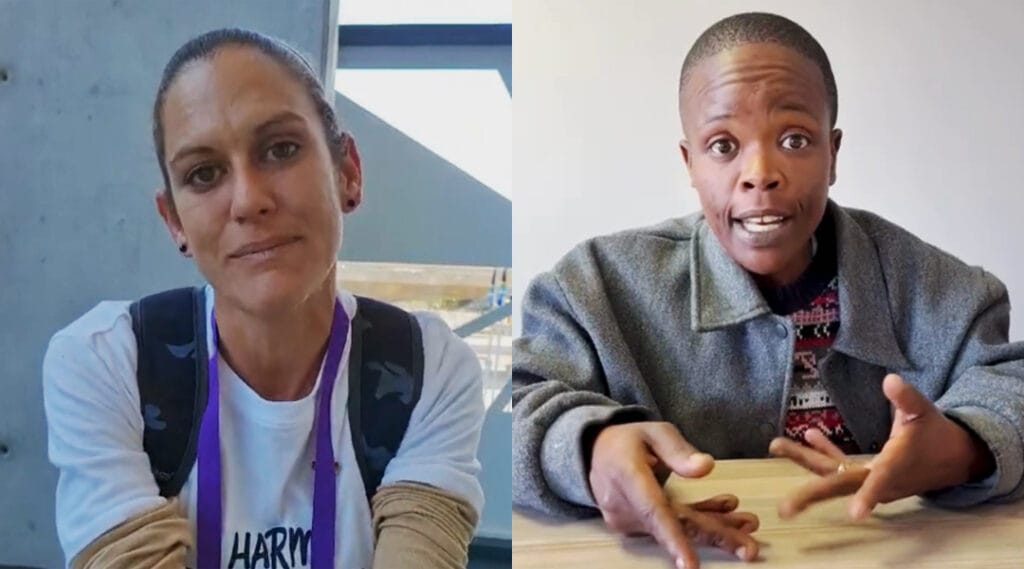
Lerato is from the West Rand. Chantal comes from Cape Town. They may live far apart and come from different backgrounds but they share a powerful experience: both have overcome hepatitis C, a potentially life-threatening but curable disease that is transmitted through blood. For people who inject drugs, the risk of contracting hepatitis C is far higher but so too are the barriers to getting the help they need.
“We are almost like the forgotten,” says Chantal, who faced stigma and misinformation because of her diagnosis. Lerato felt the same: “As an addict, you always have this stigma that you are not good enough.”
Around 50 million people worldwide live with hepatitis C which can be passed through sharing of injecting equipment and from mother to baby during pregnancy. Stigma and fear make it hard for people who use drugs to access testing and treatment for hepatitis C. Yet this disease can be cured. Treatment with direct-acting antivirals (DAAs) can cure more than 95% of people with hepatitis C and is safe, effective and takes between 12 to 24 weeks. But the medication is very expensive and too often out of reach for those who need it most in South Africa.
People who use drugs must have equal access to hepatitis testing and treatment. No one should be left behind. Peer-led programmes, where people with lived experience lead outreach, education, testing and treatment navigation, are key to eliminating hepatitis C. Thanks to funding from the Global Fund, NACOSA was able to provide hepatitis C treatment to Lerato and Chantal through the People Who Use Drugs Programme.
As Lerato remarks on receiving treatment from NACOSA and implementing organisation Tshepo Ya Bana, “They made sure that they knew where to find us, if we didn’t come [for treatment] they would come to us. Everything was fine.”
“To find services where people actually care and you’re not just a number, it’s so important, especially as a woman,” agrees Chantal who received treatment from NACOSA’s partner in Cape Town, TBHIV Care.
Needle and syringe programmes, opioid substitution therapy and safer injecting education not only prevent hepatitis but also save lives by reducing the risk of HIV transmission. Successfully treating hepatitis C is not just a public health issue, it’s about human rights.
“We are also part of this society,” says Lerato.
We need bold political champions for harm reduction and greater access to Direct-Acting Antivirals (DAAs). We must treat people who use drugs with compassion and respect by providing hepatitis services without judgement, without stigma and in every setting where people who use drugs access care.
Low awareness, misinformation, myths and stigma are stopping people from accessing hepatitis services and lead to a lack of action by key decision-makers. World Hepatitis Day on 28 July is a chance to raise awareness and drive action to combat hepatitis in South Africa and beyond.
Find out more: www.worldhepatitisalliance.org
South African women are once again reeling from the news that the bodies of nine women have been found in Ekurhuleni over the past two months. The cases have shocked

“My goal is to turn this small hustle into sustainable community impact” Mpho, also known as Gold, is a young man from Mangaung in the Free State who loves working

Buhle Ngidi is a single mother who is working hard to support her family. She is a hairdresser who is running her own salon, which gives her financial independence and
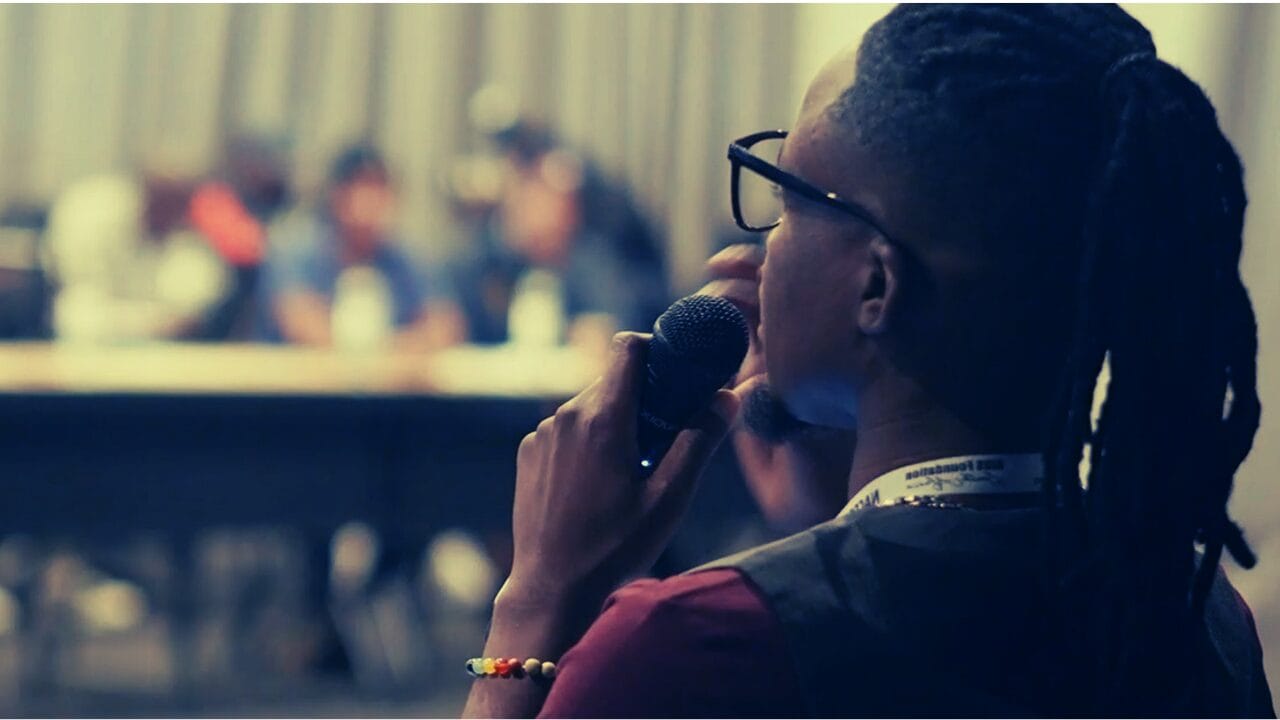
NACOSA will host the Amaqhawekazi Harm Reduction Summit 2026 in Gauteng from 26-27 August, under the theme “From Grassroots to Policy: The Journey of Harm Reduction in South Africa.” The