
Funding, data and attention to targets needed to end GBVF
South African women are once again reeling from the news that the bodies of nine women have been found in Ekurhuleni over the past two months. The cases have shocked

With the Health Minister’s announcement that lenacapavir (LEN), the twice-yearly PrEP injection to prevent HIV, will be rolled out as soon as it is approved, the World Health Organization’s new guidelines recommending LEN, and with funding committed by the Global Fund, South Africa stands on the brink of a major breakthrough in HIV prevention. Could this be the beginning of the end of AIDS?

The first oral pre-exposure prophylaxis (PrEP) medication – daily antiretroviral pills to prevent HIV – was introduced in South Africa in 2016. NACOSA was among the organisations that supported the Department of Health’s role-out of PrEP to vulnerable groups like sex workers, people who use drugs, men who have sex with men, and adolescent girls and young women. Along with the dapivirine ring introduced in 2021, oral PrEP provided new hope for HIV prevention and the end of AIDS.
But take-up of oral PrEP, particularly among adolescent girls and young women, has been slower than hoped. HERStory Research by the South African Medical Research Council with NACOSA found that, while daily oral PrEP was highly effective (providing more than 90% protection for young women), there were a number of challenges for uptake and adherence including fear of negative side-effects, unsupportive parents and communities, public stigma and a reluctance to take daily medication.
They don’t want PrEP, they would have preferred PrEP to be an injection because they feel like they are eating treatment (ARVs) every day and yet they are not HIV positive, even though they need it (to be protected),” according to one of the social workers interviewed.
Sex workers faced similar barriers with oral PrEP. An evaluation of NACOSA’s Sex Worker programme, funded by the Global Fund, found that fear of HIV stigma and medication side effects, perceived lack of access to the medication, and limited knowledge were issues for sex workers.
People’s lies and judgemental minds about people who are taking PrEP: I was afraid I will be associated with AIDS, said a sex worker interviewed for the research.
Lenacapavir, or LEN, is a twice-yearly injectable PrEP that offers a highly effective, long-acting alternative to daily oral pills and other shorter-acting options. With just two shots a year, LEN is a major step forward in protecting people at risk of HIV – particularly those who face stigma or access challenges.
South Africa’s Health Minister, Dr Aaron Motsoaledi, has called LEN a “game changer for South Africa” when he announced that the country would become among the first to introduce LEN in the public health system as early as the end of 2025. At the same time, the Global Fund announced it has signed an access agreement with Gilead Sciences to procure Lenacapavir for low and middle income countries like South Africa. Peter Sands, Executive Director of the Global Fund said:
For the first time, we have a tool that can fundamentally change the trajectory of the HIV epidemic – but only if we get it to the people who need it most.
On 14July, the World Health Organization (WHO) released new guidelines recommending the use of injectable lenacapavir at the International AIDS Society Conference (IAS 2025), paving the way for widespread implementation of LEN across the world. This news comes at a critical moment, with 1.3 million new HIV infections occurring in 2024 and radical funding cuts putting global HIV prevention efforts at risk.
According to the latest UNAIDS Global AIDS Update, adolescent girls and young women aged 15–24 years continue to bear the brunt of HIV in sub-Saharan Africa, accounting for 28% of new HIV infections. Women and girls of all ages accounted for 63% of all new HIV infections in the region. In South Africa, all women face a disproportionate HIV burden but the gender disparity is most pronounced among adolescent girls and young women between 15 and 24 years, whose HIV prevalence is 3.3 times greater than their male peers. It is not surprising, then, that Dr Motsoaledi focused his remarks on women and girls, saying, “Lenacapavir offers young women, and everyone at risk, a discreet, long-acting option to stay HIV-free. For far too long, women and girls in our country have carried the greatest burden of this epidemic.”
LEN may become a gamechanger but it is not a cure or magic solution. Rather, it is a powerful tool that can be deployed as part of a broader, multi-sectoral HIV prevention strategy. There are also potential implementation challenges that must be addressed including cold chain logistics for injectable storage, adequate training and sensitisation of healthcare workers and the cost implications for long-term sustainability, particularly in the current funding environment.
The Minister noted that “scientific breakthroughs must be backed by political will, community leadership, and sustained investment.” Civil society has a critical role to play in the introduction of LEN in South Africa, helping to break down access barriers and shift narratives around PrEP. The research on the uptake of oral PrEP highlights the need to engage communities and ensure constructive relationships between community implementers and public health systems. With all sectors pulling together, and when used with other prevention options like condoms, long-acting PrEP gives us the opportunity to end AIDS in our lifetime.
NACOSA is ready to get behind the rollout and help ensure this life-saving prevention tool reaches the people who need it most. Let’s work together to make sure no-one is left behind.
South African women are once again reeling from the news that the bodies of nine women have been found in Ekurhuleni over the past two months. The cases have shocked

“My goal is to turn this small hustle into sustainable community impact” Mpho, also known as Gold, is a young man from Mangaung in the Free State who loves working

Buhle Ngidi is a single mother who is working hard to support her family. She is a hairdresser who is running her own salon, which gives her financial independence and
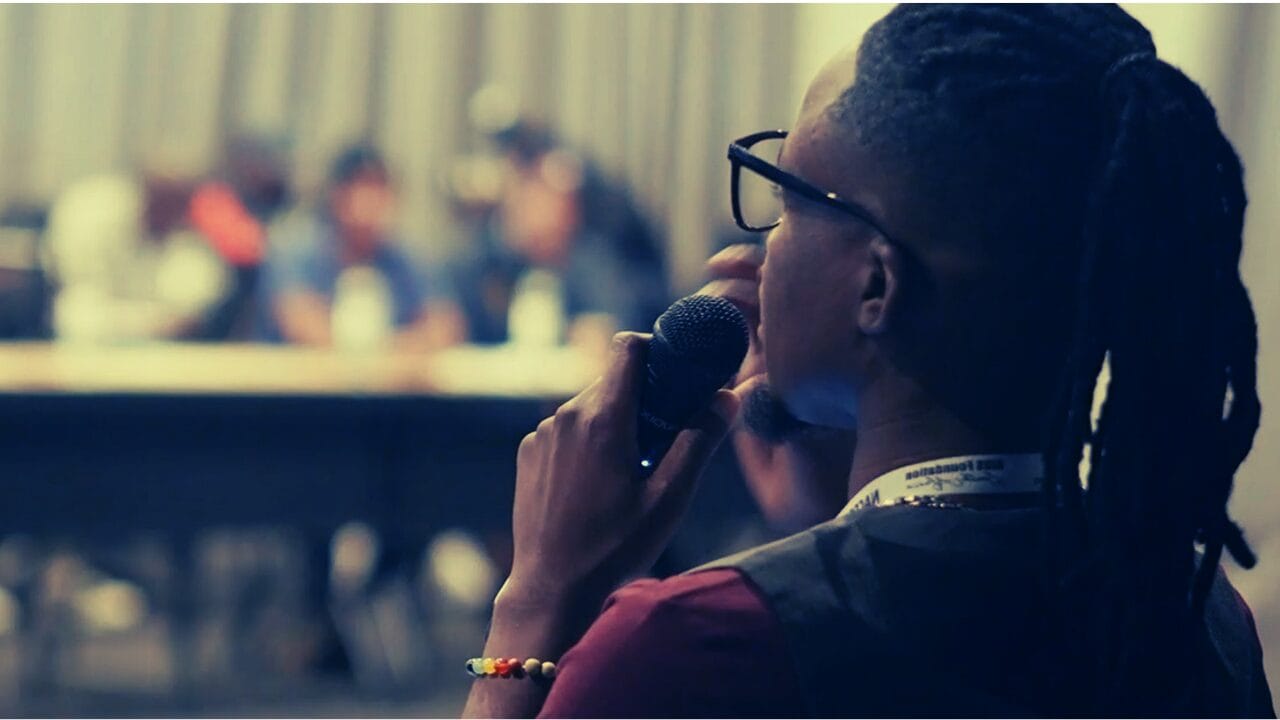
NACOSA will host the Amaqhawekazi Harm Reduction Summit 2026 in Gauteng from 26-27 August, under the theme “From Grassroots to Policy: The Journey of Harm Reduction in South Africa.” The