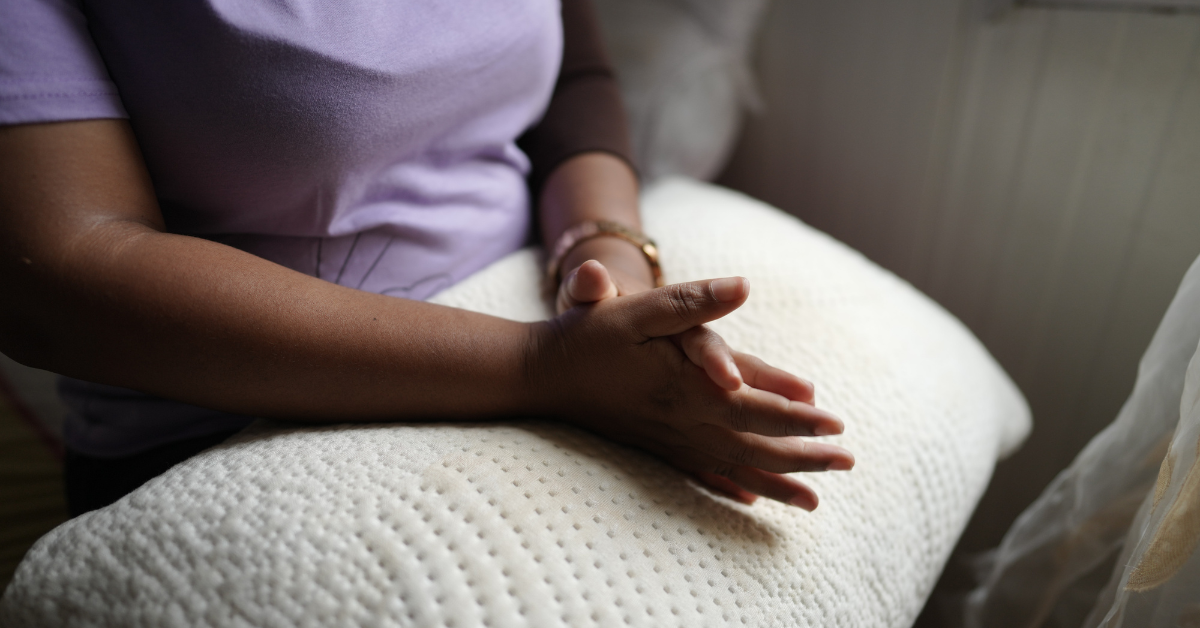
TB is curable, you just need to take your medication correctly and live stress free. – Tumisang Rangwako
Tumisang Rangwako first began feeling constantly tired, losing her appetite, and losing weight. She never imagined it would lead to a tuberculosis (TB) diagnosis. Like many others in her community, she had limited knowledge about the disease and felt overwhelmed by fear and uncertainty.
Finding out she had TB was not easy. She went to the clinic for testing, but her first test didn’t give a clear result. Health workers encouraged her to do more tests and suggested a chest X-ray. That’s how she was finally diagnosed with TB.
Tumisang recalls that after she found out she had TB, she couldn’t believe it at first and had a hard time accepting the news. However, healthcare workers guided her through the next steps, explaining the treatment process and lifestyle changes she needed to make. As someone who had been smoking and drinking, she was advised to limit these habits, as they could worsen her condition.
She started TB treatment, but a few weeks in, she experienced serious side effects, including her eyes turning yellow. She went back to the clinic, and the doctors found her liver was reacting to the medicine, so they changed her to a gentler treatment. Once her liver recovered, she was carefully put back on the original medicine. She completed the full 12-month treatment and eventually recovered from TB.
Tumisang started regaining her strength and gaining weight, and she thought she had fully recovered. After three years without smoking, she decided to start again. Within three months, the same symptoms returned, including her eyes turning yellow. She went back to the clinic, and it was confirmed that the TB had come back, even though she had completed her previous treatment. She was admitted for two weeks and restarted treatment. While the medicine caused side effects again, she was also given extra medicine to protect her liver. This new treatment lasted six months, bringing her total TB treatment to 18 months.
With support from Teach Lead Mentor Foundation, NACOSA’s implementing partner for the Social Employment Fund in Rustenburg, she was linked to a support group at Sunrise Clinic, where she found a safe space to share her experience and slowly gained the confidence to open up about her TB journey.
Tumisang’s story reminds us that TB is curable and requires continuous care, discipline, and lifestyle awareness. It is important to complete treatment, listen to your body, and maintain healthy habits even after recovery. She encourages others to take TB seriously, get tested early, follow medical advice and avoid habits that may compromise their health.
Learn more about TB: nacosa.org.za/tb