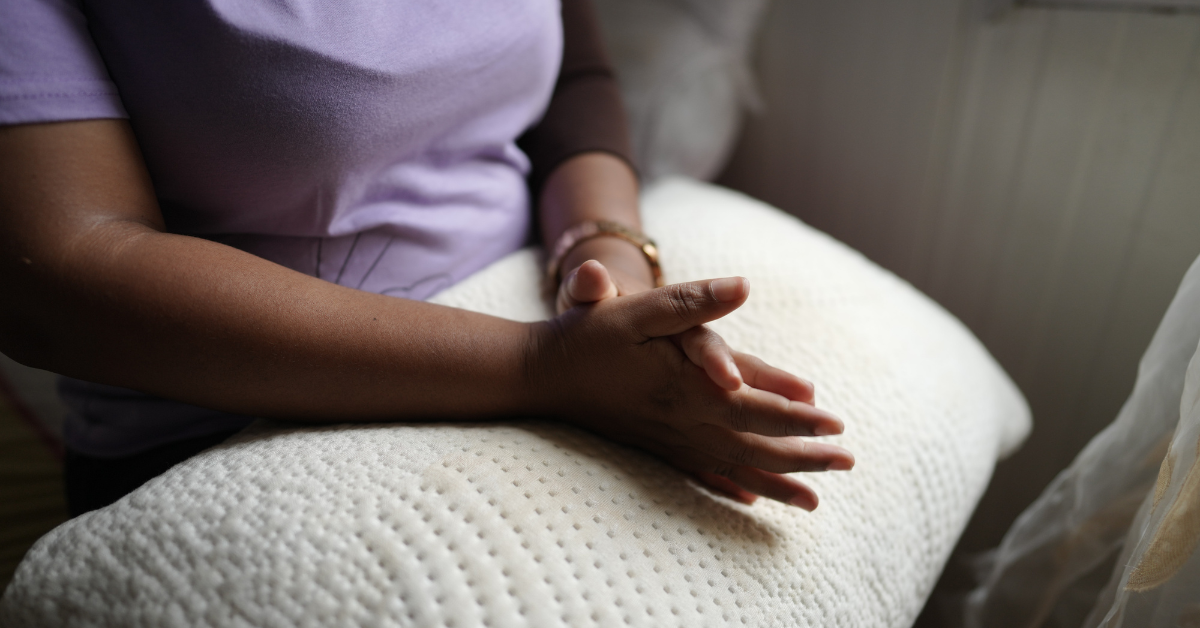
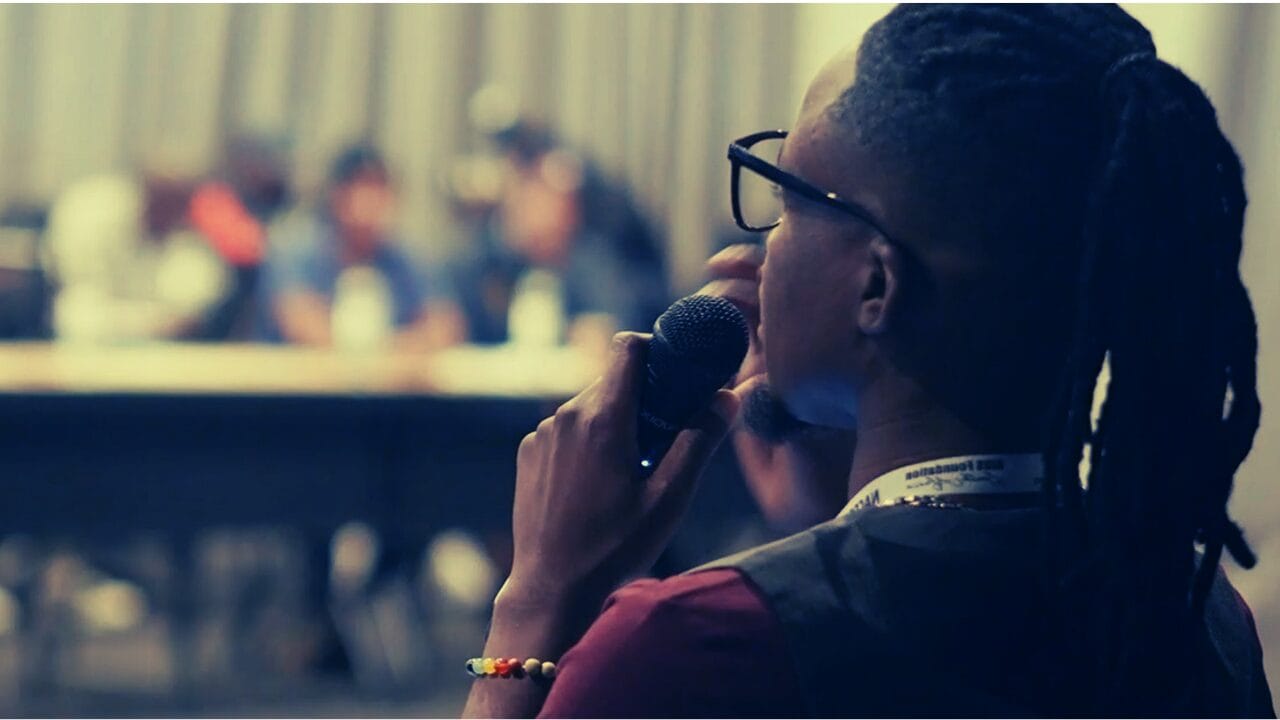
Unequal access to healthcare and prevention services puts many young people at higher risk of HIV, sexually transmitted infections, and other health issues, especially young people who use drugs, young women and girls with disabilities, and members of the LGBTQIA+ community.
In South Africa, girls and young women aged 15-24 are twice as likely to be living with HIV compared to their male counterparts. They account for around 30% of new HIV infections and are more likely to contract HIV five to seven years earlier than young men. Despite being disproportionately affected by HIV, many face barriers to accessing essential services, including inaccessible clinics, limited information, transport challenges, and healthcare services that are not youth friendly. These barriers can prevent them from accessing HIV prevention services, mental health support, sexual and reproductive healthcare, harm reduction services, and other essential care.
Young people who use drugs need access to non-judgemental healthcare, harm reduction information, HIV prevention, and mental health support. Practices like not sharing needles or smoking devices, using protection during sex, and accessing regular health services can help reduce health risks and improve wellbeing.
Young women and girls living with disabilities also face significant barriers to care. Challenges like social exclusion, gender-based violence, and limited access to healthcare information and services affect their wellbeing. Accessible and inclusive healthcare services are essential. Young women and girls living with disabilities are sometimes turned away from sexual and reproductive health and HIV services, considered a low priority, or not provided with accessible education and information materials.
Members of the LGBTQIA+ community experience discrimination and unequal treatment in some healthcare settings. They are also more likely to experience gender-based violence and other human rights violations, which can discourage them from seeking help. Inclusive services are key to this, as young people need to feel safe, respected and supported when they access healthcare services.
Everyone has the right to access healthcare without discrimination. This includes the right to dignity, equality, privacy, and access to accurate information and quality services.
The My Journey programme, funded by the Global Fund through NACOSA, supports girls and young women to take charge of their health and wellness by providing HIV prevention choices and wellbeing services in their communities.
Young people at risk can reduce their risk by doing the following
- Use condoms and lube
- Get healthcare immediately if you are sexually assaulted
- Don’t share drugs, needles or smoking equipment
- Choose PrEP the medicine that prevents HIV
Find a safe space: myJourney.org.za